What Is Trading and How Can You Start Trading Successfully
· based on the channel Tori Trades
Key takeaways
- Trading does not require advanced math or an economics degree.
- Trendlines and simple strategies are key to effective day and swing trading.
- Risk management is crucial to protect capital in volatile markets like futures and gold.
- Trading platforms like TradingView and brokers like TradeStation support traders.
- Tracking trades systematically helps improve performance and results.
Trading is the activity of buying and selling financial instruments such as stocks, futures, or forex with the aim of making a profit. Contrary to popular belief, trading really is this simple: you don’t need an economics degree, complex algorithms, or advanced math skills to start trading effectively. The key lies in mastering straightforward strategies and managing risk properly. For those interested, registering on Tori Trades waitlist provides access to educational resources and community support.
Understanding Trading and Its Simplicity
Trading involves entering and exiting positions based on market analysis. The core concept is to identify trends and make trades that follow the momentum. For example, futures traders often use trendlines—lines drawn on charts connecting highs or lows—to spot entry and exit points. These lines help determine when the market is likely to continue in a certain direction or when it might reverse.
The simplicity of trading comes from using clear rules to enter trades, setting stop losses to manage risk, and taking profits at logical points. This approach eliminates guesswork and emotional decision-making. The system built by Tori Trades centers on these principles: trendline strategies, clear entry/exit rules, and consistent trade tracking.
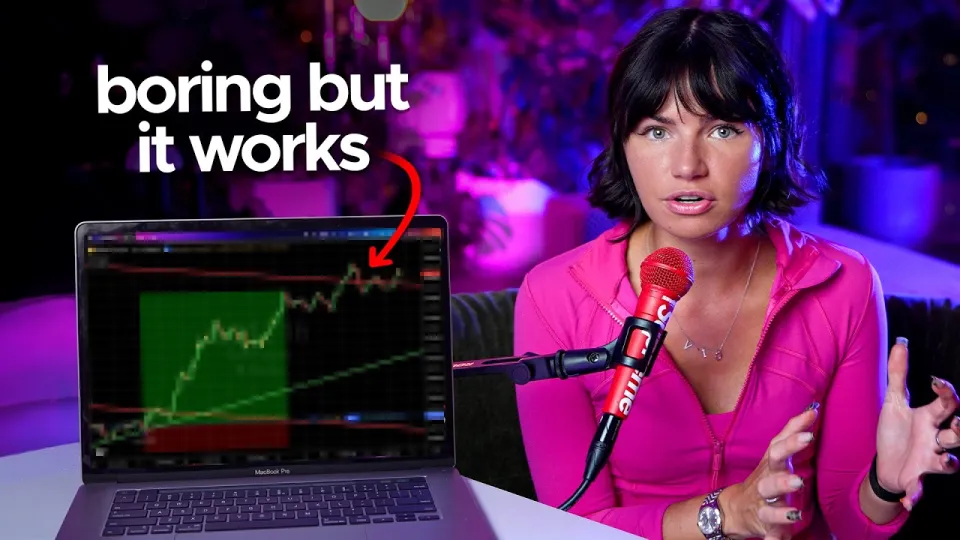
Video: Unfortunately, trading really is this simple
Key Trading Strategies: Trendlines and Futures
Trendlines are a fundamental tool in both day trading and swing trading. When the price bounces off a well-established upward trendline, it signals a potential buying opportunity. Conversely, a break below a downward trendline might indicate a short selling chance.
Futures trading, which involves contracts to buy or sell assets at future dates, is popular due to its leverage and liquidity. However, futures markets like gold can be extremely volatile. As noted by viewers, gold prices can shift from slow moves to rapid spikes within seconds, requiring traders to manage positions actively and use tight stops.
Successful futures traders use trendlines combined with liquidity concepts to confirm trades. Liquidity areas are price zones with many orders, acting as support or resistance. Incorporating liquidity helps in placing more accurate stop losses and predicting potential reversals.
Tools and Platforms for Effective Trading
Platforms like TradingView allow traders to build charts, draw trendlines, and test strategies historically. Using these tools helps traders practice and refine their systems before risking real money.
TradeStation is a broker favored by many futures traders for its reliable execution and advanced features. Using a trusted broker ensures that trades are executed promptly, which is essential in fast-moving markets.
To improve discipline and analyze performance, tracking trades systematically is crucial. Services like TradeZella provide detailed records and analytics of all trades, helping traders identify strengths and weaknesses in their approach.
Managing Risks and Setting Stops
Risk management is a cornerstone of sustainable trading. Setting stop losses below trendlines or recent lows prevents catastrophic losses if the market moves against your position.
The exact placement of stops depends on the market volatility and the trader’s risk tolerance. For example, gold’s rapid price swings mean stops must be tight yet not so close as to trigger on normal fluctuations. Adjusting stops dynamically based on market behavior is a skill that develops with experience.
Common Questions and Challenges in Trading
Many traders wonder how to handle trendline breaks or when to take new entries if a candle changes color or direction. The general rule is to only enter trades that conform to your strategy’s criteria, such as a confirmed bounce off a trendline or a breakout with volume.
Another frequent question is how trading futures differs from stock trading. Futures can offer higher leverage but also higher risk and volatility. Unlike stocks, futures markets can be influenced more by liquidity zones and algorithmic trading, requiring different strategies.
Useful Links
- Join Tori Trades waitlist for bonuses and educational content: https://go.toritradez.com/waitlist-1009
- TradeZella for tracking your trades: https://www.tradezella.com/?via=victoria (use code TORI20 for discount)
- TradeStation broker: https://www.tradestation.com/promo/toritrades/
- Tori Trades Instagram: https://www.instagram.com/tori.trades.futures/
- Tori Trades Facebook: https://go.toritradez.com/97a05437
Conclusion
Trading is accessible and straightforward when you focus on simple, proven strategies such as trendlines combined with solid risk management. Leveraging futures markets can be profitable but requires attention to volatility and quick decision-making. Platforms like TradingView and brokers like TradeStation support traders with robust tools. Tracking trades consistently helps refine strategies and improve results. The channel Tori Trades offers practical insights and step-by-step guidance for traders aiming to succeed. For those ready to start or improve, joining the Tori Trades waitlist is a valuable first step.
Questions & answers
Do I need advanced math or an economics degree to start trading?
No, trading can be done successfully using simple strategies like trendlines and proper risk management without advanced math or formal economics education.
How do I set stop losses in volatile markets like gold futures?
Stop losses should be placed strategically below trendlines or recent lows, balancing tightness to protect capital and enough room to avoid being stopped out by normal price fluctuations.
What is the difference between trading futures and stocks?
Futures offer higher leverage and liquidity but are more volatile and influenced by liquidity zones and algorithms, requiring different strategies compared to stock trading.
How can I track my trades to improve my performance?
Using trade tracking platforms like TradeZella helps record every trade, analyze outcomes, and identify areas for improvement to refine your trading strategy over time.
Source: Unfortunately, trading really is this simple · Markdown version